Frequently Asked Questions
Can catamarans capsize?
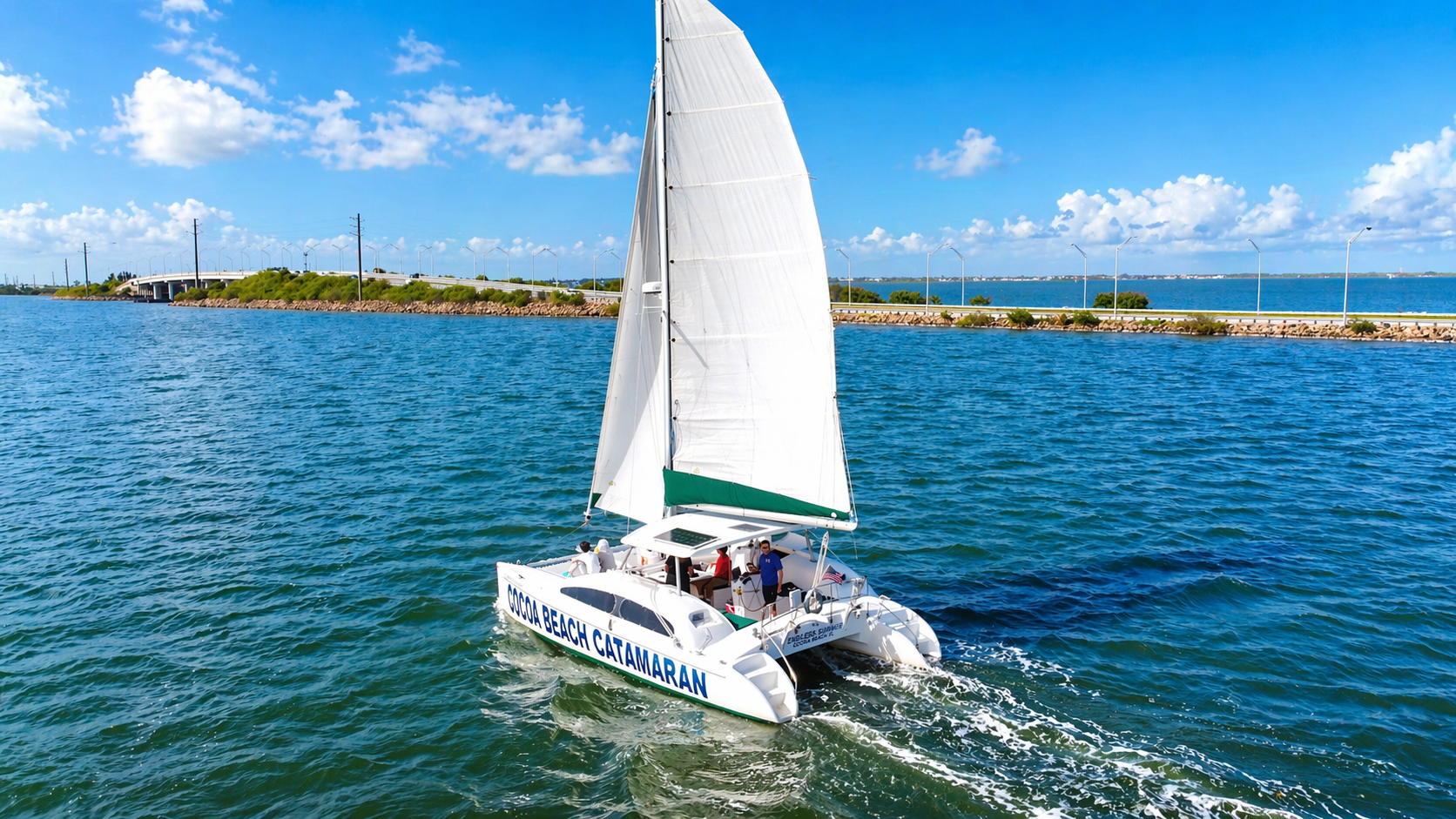
Catamarans are designed with stability in mind and are very unlikely to capsize. Their wide beam and twin hulls provide excellent balance, making them exceptionally sea-kindly and safe.
What is a catamarans stability?
A catamaran's stability is excellent due to its wide beam and two hulls, offering a smooth and steady ride.
How do catamarans handle rough seas?
Catamarans generally handle rough seas well due to their wide stance and two hulls, offering stability and a smoother ride compared to monohulls.
Are catamarans safe to sail?
Catamarans are very safe to sail. Their wide stance provides excellent stability, making them less prone to tipping and offering a smooth, secure ride.
What factors affect catamaran stability?
Catamaran stability is affected by hull design, weight distribution, and sea conditions.
Can catamaran sailing be dangerous?
Catamaran sailing is generally safe, especially with experienced captains and adherence to safety protocols. Our tours prioritize your well-being for a secure and enjoyable experience.
What prevents a catamaran from capsizing?
Catamarans are designed with wide beams and two hulls, providing exceptional stability that makes capsizing extremely rare.
How is catamaran stability tested?
Catamaran stability is tested through rigorous design simulations and physical tests, ensuring safety and performance in various sea conditions.
Do smaller catamarans capsize easily?
Smaller catamarans are designed with stability in mind. They are engineered to be very difficult to capsize, offering a safe and secure sailing experience.
What are the risks of catamaran sailing?
The risks of catamaran sailing are minimal. Our experienced captains prioritize safety, ensuring a smooth and enjoyable experience with minimal risk.
Can extreme weather capsize a catamaran?
Catamarans are designed for stability, making capsizing in extreme weather very rare, especially with experienced captains prioritizing safety.
How do boat types differ in safety?
Boat types differ in safety due to hull design, stability, and capacity, impacting their performance and suitability for various water conditions.
Is sailing generally a safe activity?
Sailing is generally a safe activity, especially with experienced captains and adherence to safety protocols. Our tours prioritize your well-being for a secure and enjoyable experience.
What certifications ensure sailing safety?
Our captains hold U.S. Coast Guard licenses and possess extensive local knowledge, ensuring safe and enjoyable sailing experiences on our catamarans.
Are there rescue procedures for sailboats?
Yes, sailboat rescue procedures are in place. These protocols ensure swift assistance in emergencies, prioritizing safety and efficient recovery for all vessels.
What training is needed for sailing?
No specific training is needed to enjoy our sailing tours; our experienced captains handle all aspects of sailing for a relaxing experience.
How do captains ensure passenger safety?
Captains ensure passenger safety through experienced navigation, adherence to safety protocols, and constant vigilance on the water.
Are there different types of sailing vessels?
While we specialize in comfortable catamarans, sailing vessels vary widely, from nimble dinghies to large yachts.
What are the pros of sailing a catamaran?
Sailing a catamaran offers superior stability, a spacious deck for comfort, and a shallower draft, allowing access to more beautiful, secluded waters.
What are the cons of sailing a catamaran?
Cons of sailing a catamaran include a wider beam, potentially higher costs, and a less direct sailing feel compared to monohulls.
Can catamarans flip over in waves?
Catamarans are designed for stability and are very unlikely to flip over in waves. Their wide, twin-hull design provides excellent balance and buoyancy, even in rough conditions.
What is the risk of capsize?
The risk of capsize on our catamaran tours is extremely low. Catamarans are designed for stability, and our experienced captains prioritize safe sailing conditions.
How do sails affect stability?
Sails affect stability by harnessing wind power to create lift, which, when balanced with the hull's design, keeps the catamaran upright and stable on the water.
What is the role of the hull?
The role of the hull is to provide buoyancy, stability, and the main structure for the catamaran, allowing it to float and sail smoothly.
Does weight distribution matter?
Weight distribution matters for optimal sailing performance and passenger comfort on our catamarans, ensuring a smooth and enjoyable experience for everyone.
Can wind speed cause a capsize?
Wind speed can cause a capsize if it exceeds the catamaran's safe operating limits, but our experienced captains manage conditions to ensure safety.
Are emergency devices onboard?
Yes, emergency devices are onboard to ensure your safety during your catamaran sailing tour.
What should I do if capsized?
If capsized, remain calm and stay with the boat. Our captains are trained to handle such situations and will ensure everyone's safety and recovery.
How to choose a safe sailboat?
Choosing a safe sailboat involves checking its condition, seaworthiness, and ensuring it's operated by experienced captains prioritizing safety.
Do catamarans offer a smoother ride?
Catamarans offer a smoother ride due to their twin-hull design, which provides greater stability and reduces the rocking motion often experienced on monohull boats.